
 Français
  Nederlands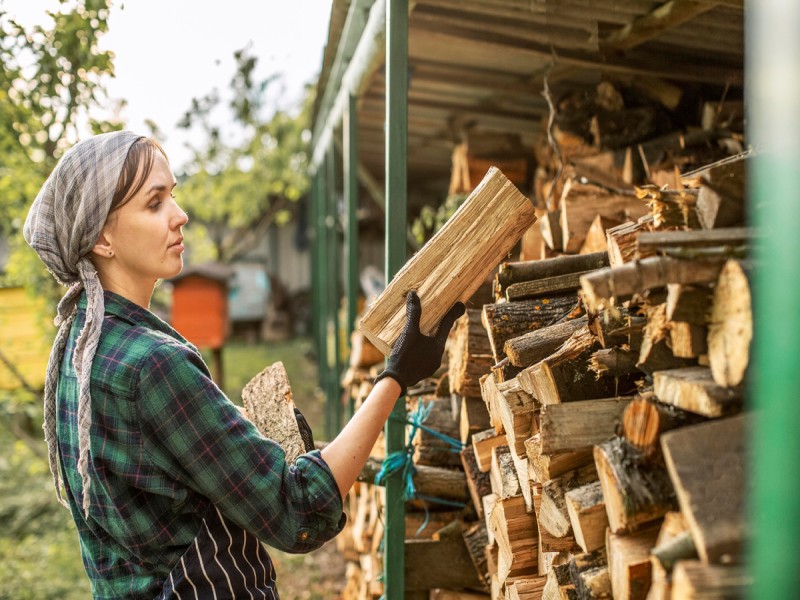
The advantages of heating with firewood
Heating the home with firewood has seen a strong surge in popularity in recent years, partly due to rising energy rates and the search for atmospheric, independent alternatives to gas. The greatest advantage of wood as a fuel is the unique, cozy warmth that a wood fire emits. In contrast to traditional central heating, a modern wood stove creates intense radiant heat and a cozy atmosphere that is simply unmatched by radiators. Moreover, the use of wood, provided it is harvested locally and sustainably, can be considered a renewable energy source. After all, during its growth, a tree absorbs CO2 from the atmosphere, which is then released back into the natural cycle during the ultimate combustion. This makes the net CO2 emissions during optimal, complete combustion significantly lower than those of fossil fuels such as natural gas or coal. In addition, firewood offers consumers a high degree of independence from the traditional electricity and gas grid. By laying in a solid winter stock in advance, you are no longer directly at the mercy of the whims and price fluctuations of international energy markets, allowing you to always enjoy a stable, reliable source of warmth in your own living environment.
The disadvantages and environmental impact of wood burning
Although the advantages are decisive for many households, there are also clear disadvantages to burning firewood that require professional and critical consideration. One of the most important aspects is the impact on local air quality, both indoors and in the immediate living environment of your neighbors. Indeed, the combustion of wood releases fine dust, soot, and various volatile organic compounds, especially when the combustion process is not optimal due to wet wood or an insufficient oxygen supply. This can lead to health complaints in sensitive individuals with respiratory diseases and sometimes causes a nuisance in densely built-up residential areas. In addition, using firewood requires significant physical effort and logistical planning from the user. Wood must, after all, be purchased, transported, split, and stored in a dry, well-ventilated place in a timely manner. This storage process requires necessary space in the garden or shed, as damp wood must dry for at least one to two years before it is suitable for the stove. Finally, a wood stove requires regular and meticulous maintenance, such as clearing ash from the firebox and having the chimney swept annually by a certified chimney sweep to minimize the risk of a chimney fire.
Different wood types and their specific properties
Not every tree produces the same type of firewood, and the choice of a specific wood species has a major impact on the combustion process and the ultimate heat output of your installation. Roughly speaking, we distinguish in practice between hardwood and softwood. Hardwood, which comes from slow-growing deciduous trees such as oak, beech, and ash, has a very high density and therefore burns slowly and evenly. This type of wood releases a constant and intense heat over a long period, which is ideal for larger stoves or when the stove serves as the primary heating source. Ash, for example, is highly favored for its beautiful, calm flames and the fact that it dries relatively quickly after splitting. Beechwood also burns very evenly and has excellent heat output without spitting many sparks. Oak, on the other hand, requires a very long drying time of at least two years due to the present tannic acids, but it does guarantee an extremely long burn time. Softwood, on the other hand, coming from conifers or lighter deciduous trees such as birch, burns much faster. Birchwood is extremely suitable for soapstone stoves or stoves with a smaller volume, because it ignites quickly, spits very little, and offers a beautiful play of flames with a very pleasant, characteristic scent.
What to look for regarding quality and purchasing firewood
When purchasing firewood, the quality of the wood is of crucial importance for a clean, safe, and efficient combustion in your stove. The most important criterion here is undoubtedly the moisture content of the wood. High-quality firewood should contain a maximum moisture content of twenty percent, but ideally, this percentage lies between twelve and fifteen percent for optimal efficiency. When you burn wood that is still too wet, an enormous amount of energy is lost evaporating the remaining water instead of effectively heating the room. This results in incomplete combustion with a lot of harmful smoke development, creosote deposits in the flue, and a rapid black fouling of the window of your wood stove. You can easily check the moisture content yourself with a special wood moisture meter before burning the wood. In addition, it is advisable to pay close attention to the origin of the wood and choose certified firewood with an FSC or PEFC quality mark, so you can be sure that the wood comes from responsibly and sustainably managed forests. Avoid treated wood, such as painted or impregnated wood, at all times, because burning it spreads extremely toxic fumes.
Important considerations when purchasing a wood stove
Purchasing a new wood stove is a long-term investment in which various technical and practical factors play a role to guarantee safe and comfortable operation. First of all, you must accurately match the power of the stove to the exact size and insulation value of the room to be heated. A stove with too much capacity will quickly overheat the room, forcing you to restrict the air supply; this directly leads to poor, smoldering combustion and additional soot formation. In addition, the efficiency of the stove is of great importance; modern stoves in Europe must mandatory comply with the strict Ecodesign guidelines, which prescribe a minimum efficiency of 75 percent and an extremely low emission of fine dust. When purchasing, also pay close attention to the presence of an external air supply, which is absolutely essential for well-insulated, modern homes equipped with mechanical ventilation. Finally, a professional installation by a certified installer is indispensable. A perfectly fitting and well-drawing flue is after all the engine of your stove and safeguards not only optimal combustion but also the safety of you and your fellow residents.